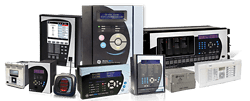
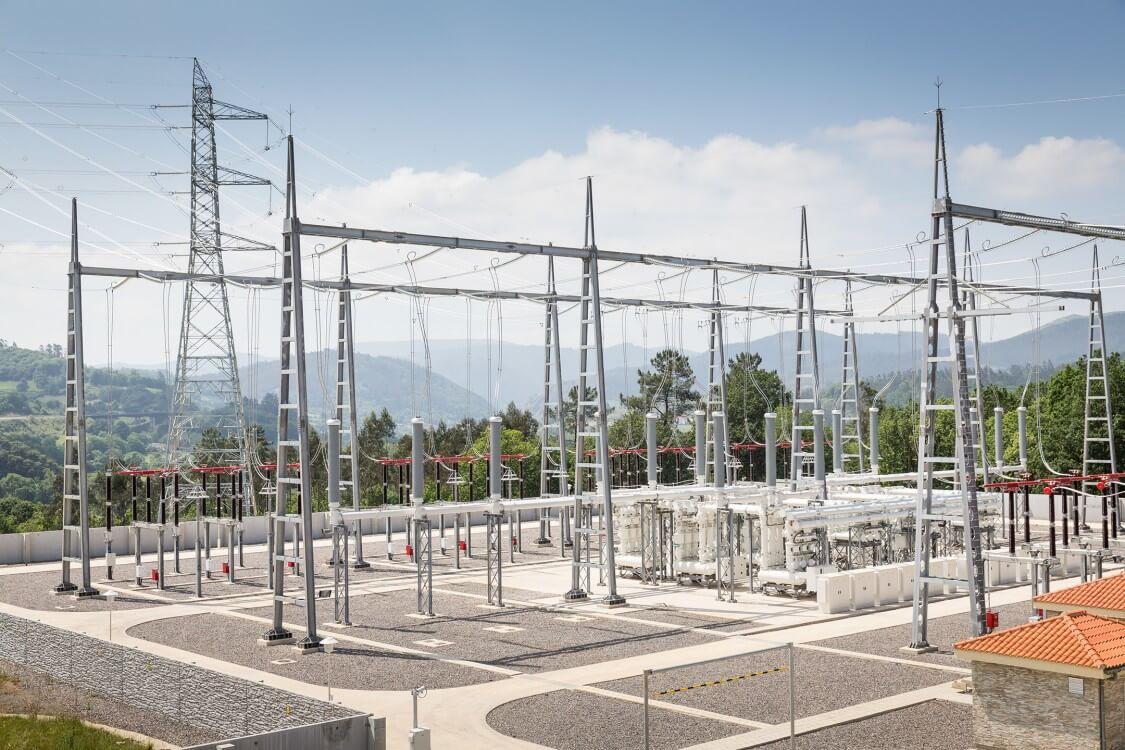
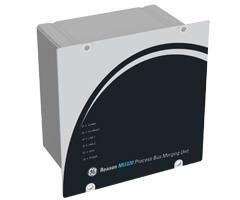
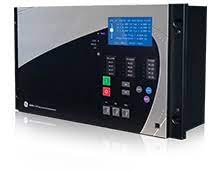
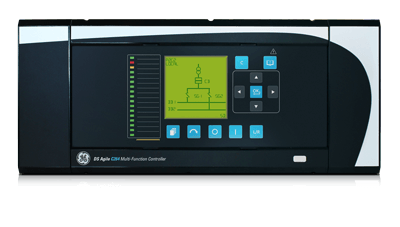
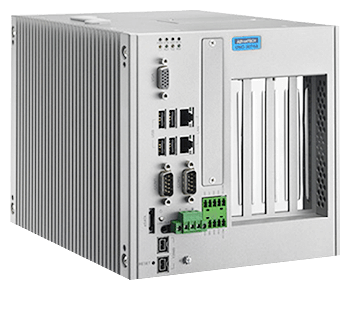
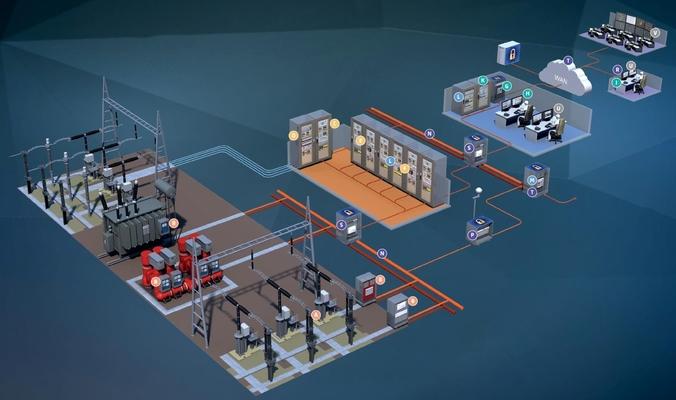
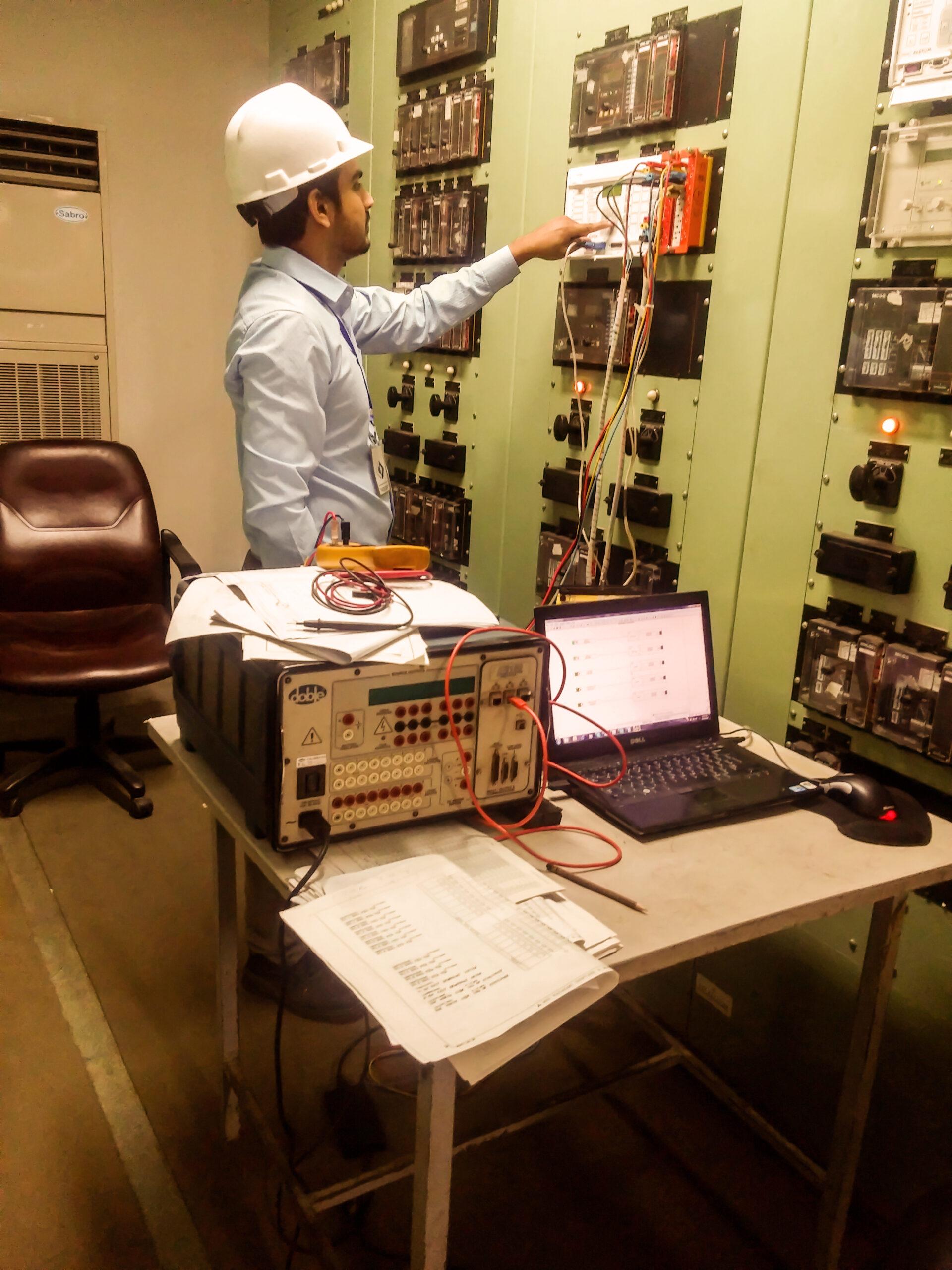
With the increase in renewable power production, the behavior of substations is becoming unpredictable and complex. The addition of "non-synchronous production" has adjoined much uncertainty in the system. To avoid system-wide disturbance (such as power swings and blackout) caused by this uncertainty substations need continuous monitoring and diagnostic. M&D not only involves the extra monitoring devices cost but, also the skilled workforce expense. The workforce expense can be cut down by using IDEs. These IDEs not only collect data continuously but also digitalized it before sending it, which is the main purpose of automated substations. In general terms, a fully digitalized substation is one in which as much as possible of the data related to the primary process is digitized immediately, at the point where it is measured and further communicated via ethernet. With IEC-61850 it becomes easier to communicate data within the substation as well as other substations as all devices are IEC-61850 compliant. EPESOL designed substation solution consists of four steps to a fully automated, digitalized substation.